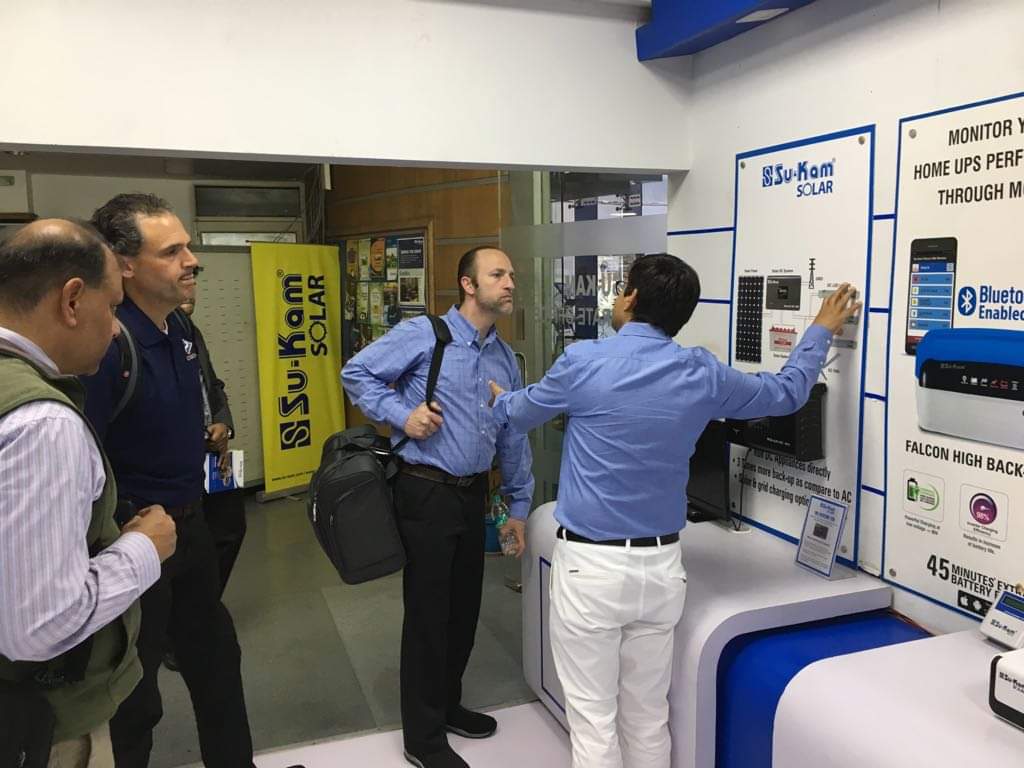
The first lesson of global export: you have to be willing to go where others won't.
This is the story of how Su-Kam reached 71 countries and 185,000+ installed units — built not on capital or connections, but on personal courage, family sacrifice, and a refusal to stop. Nine phases, three decades, and the lessons that became the Export Hub.
1995 · Personal Courage: Why I Went When Family Said No
Family and friends were against international travel. No law and order in many countries. Being vegetarian meant struggling for food in Africa. Basic hotel facilities, unpredictable power, constant danger. I got mugged multiple times in Nigeria — but each time, the spirit to build global markets came back stronger.
Why? Because I saw something in those countries: energy crises that my products could solve. Power shortages that kept businesses closed. Communities without electricity. That vision was stronger than fear. Every market visit was personal — not just sales trips, but understanding the real problems, training young team members on the ground, building distributor relationships based on trust.
The first lesson of global export: you have to be willing to go where others won't. Your personal presence builds trust in ways no email ever can.
Africa: 10,000+ Units, CSR Impact, Award Recognition
Nigeria (#2 inverter brand, 10,000+ installations) · Gabon (2,000 solar street lights across Kango, Mouila, Bitam) · Malawi (5 villages electrified with hybrid solar/wind) · Rwanda (35 schools with solar systems) · Uganda (experience center & regional hub) · 9+ African countries total.
Africa became 20-25% of Su-Kam's revenue. We weren't just selling products — we were building infrastructure. Gabon's 2,000 street lights brought safety to villages that had never seen nighttime electricity. Malawi's villages gained power for the first time. Healthcare clinics could refrigerate vaccines. Schools could run evening classes.
We won the award for "Africa's Most Reliable Inverter Brand." But the real award was the farmers who could work longer hours, the students studying at night, the clinics saving lives.
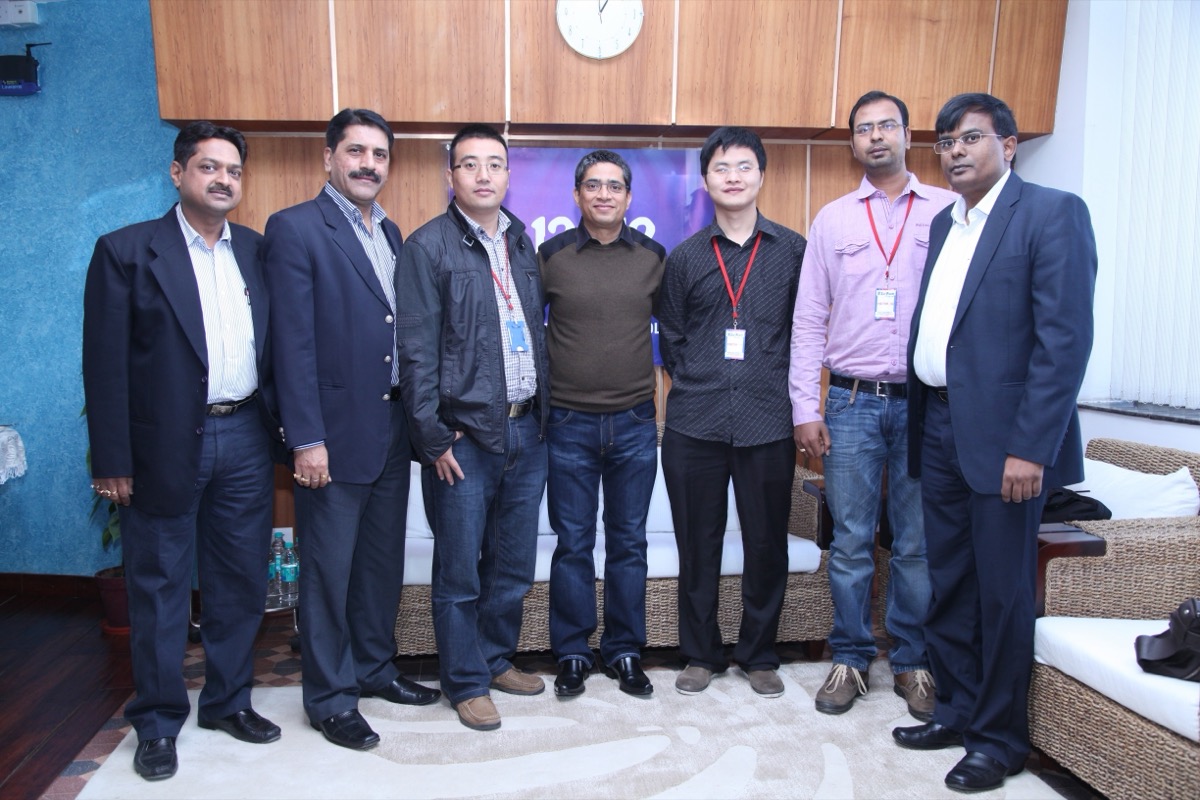
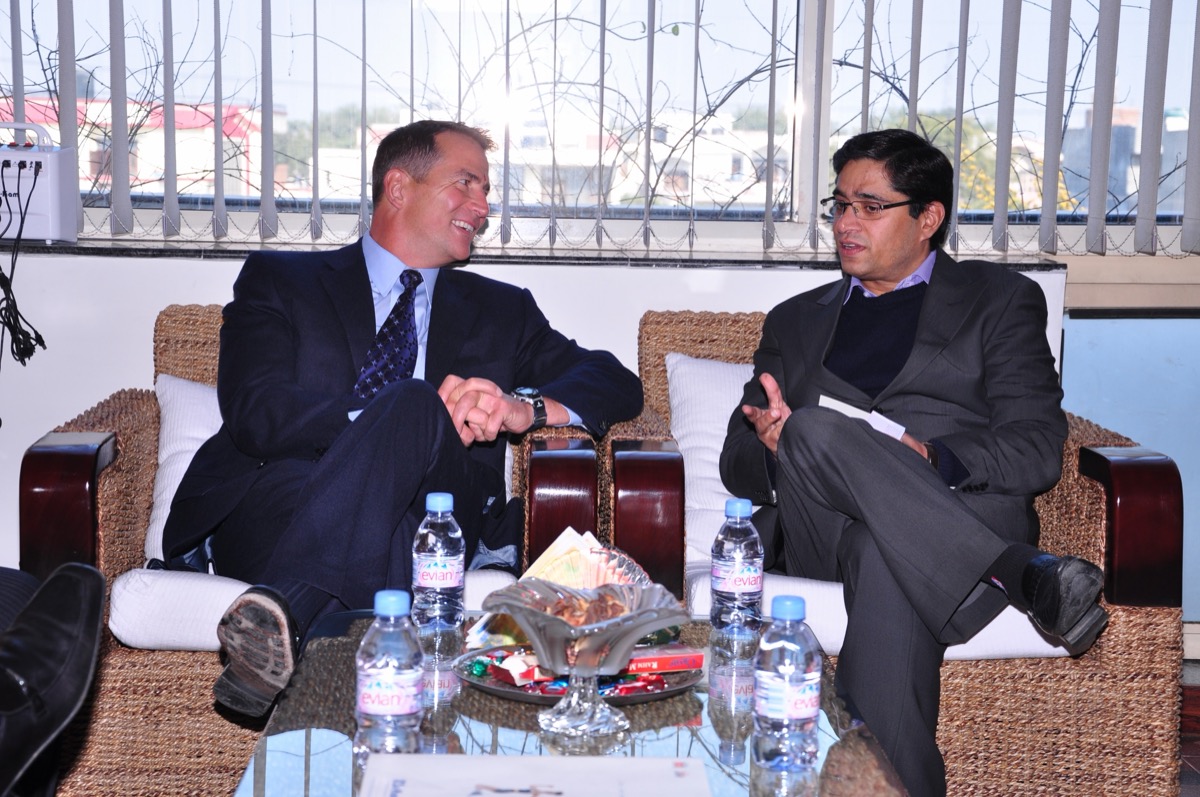
As reported by Guardian Nigeria, African Review, and distributors including Transez Nigeria, SolarKobo and Jiji Nigeria.
Nepal: Manufacturing Hub & 12,000+ Dealer Network
50,000+ units installed. 12,000+ dealers globally (concentrated in South Asia). A manufacturing facility in Nepal serving regional demand. 35-40% market share in the organized segment.
Nepal taught us that manufacturing near your market cuts costs and response time dramatically. We didn't just export products — we built local infrastructure: training local technicians, supporting distributors in remote mountain areas, ensuring 24/7 reliability in a country with 8-12 hour daily power shortages.
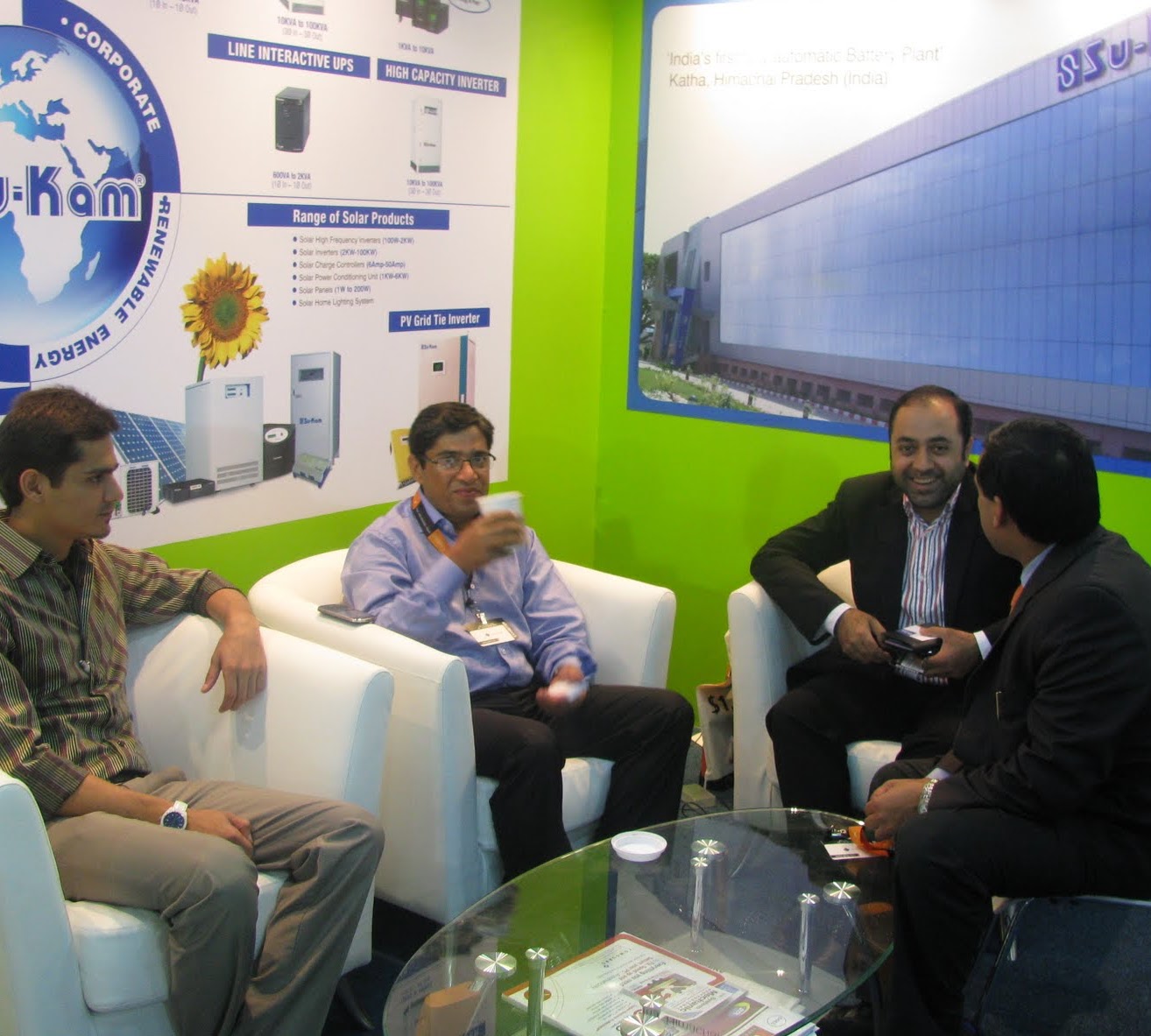
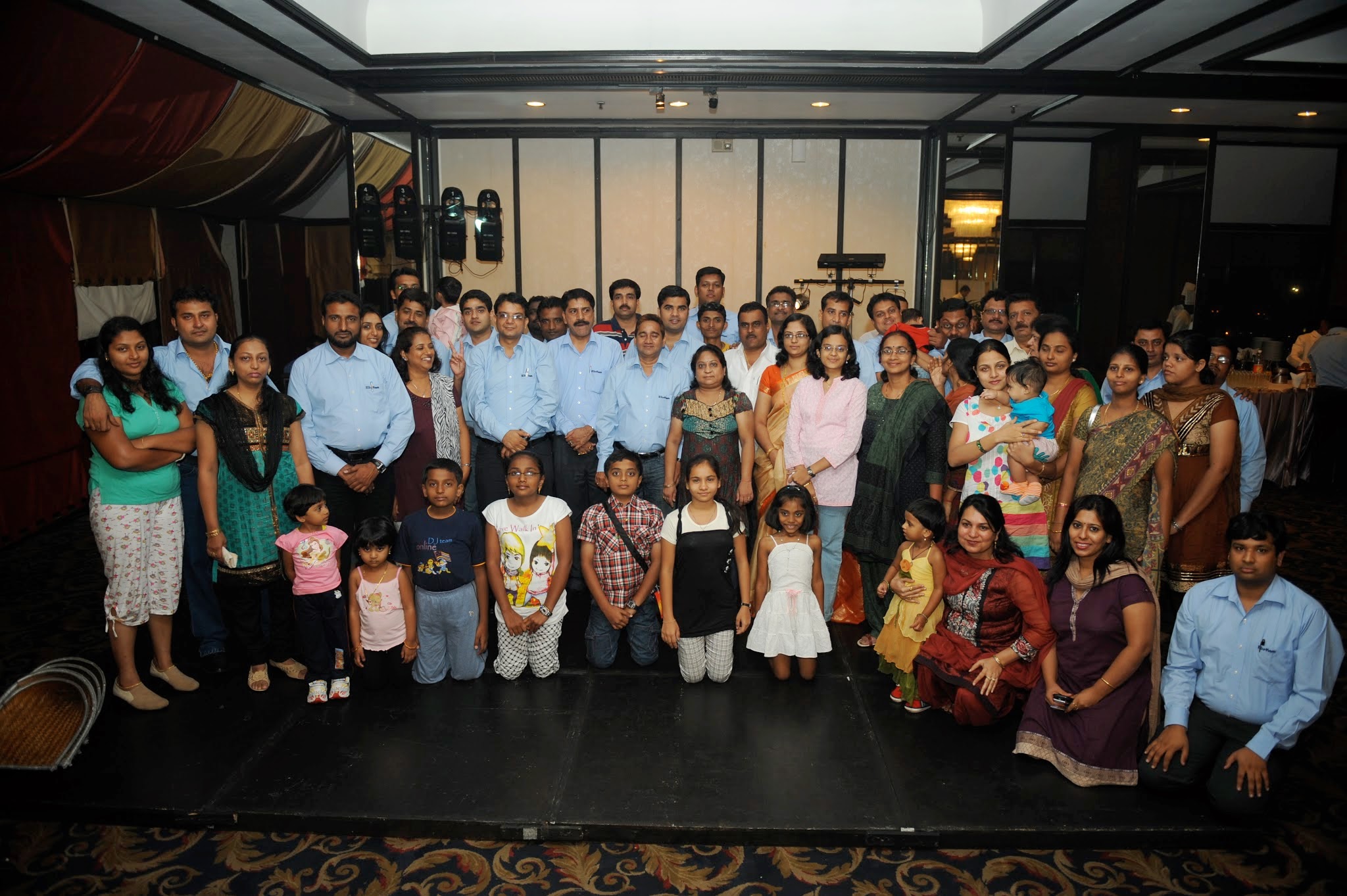
Retailers: Quality Computer, Battery Mart, Trade Nepal Online. Community: Su-Kam NEPAL.
Bangladesh: 100,000+ Units, 20-25% Annual Growth
100,000+ installations. The fastest-growing market. #1 preferred brand, featured on major e-commerce platforms across the region with 20-25% annual growth. We displaced Chinese and American brands through quality and reliability.
Bangladesh's tropical climate, frequent power shortages, and rapid industrialization made it perfect for hybrid solar-grid systems. We didn't just sell inverters — we solved the energy independence problem for small businesses, hospitals, and homes across the country.
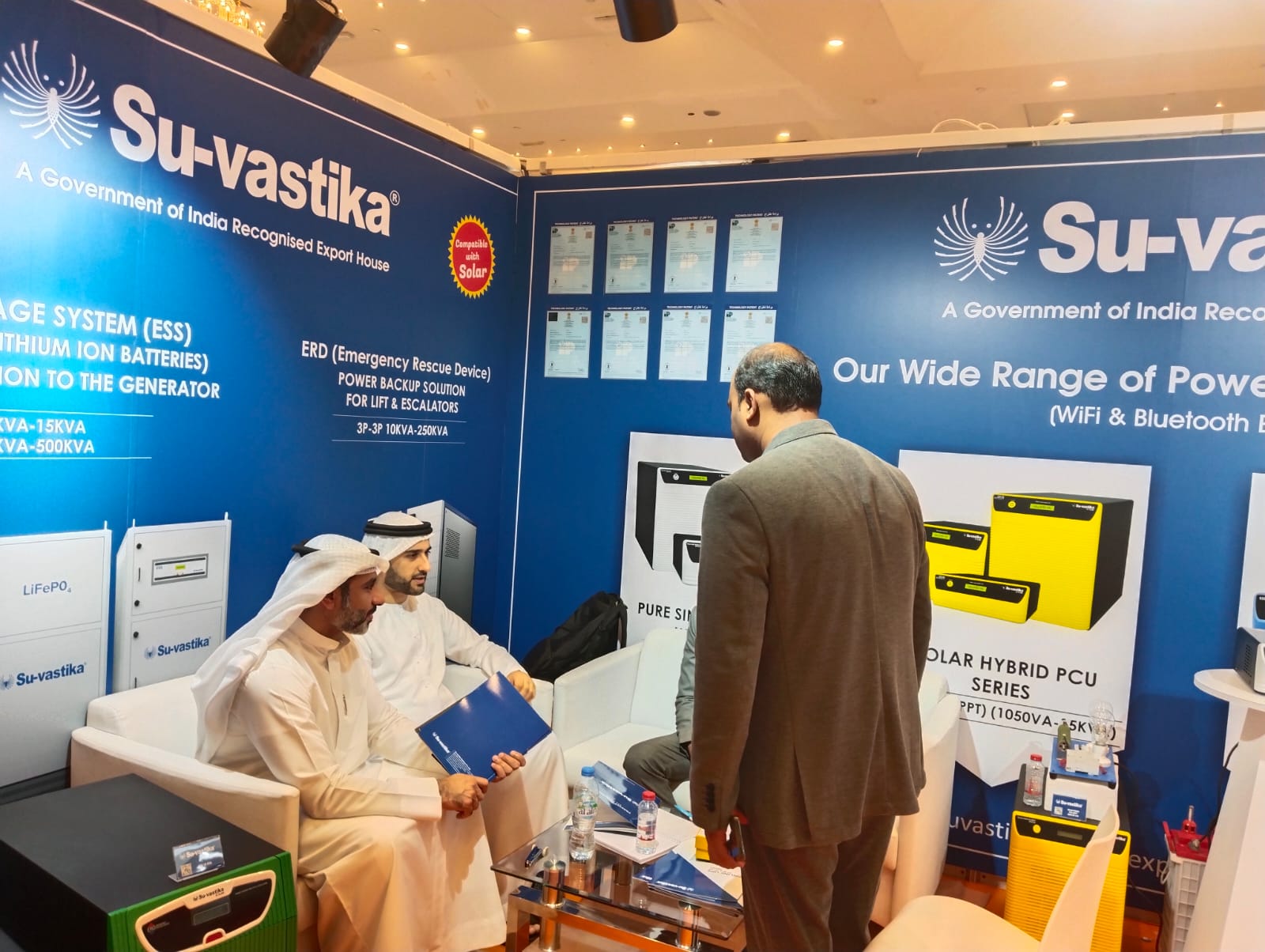
Seen at AC Mart BD, BDStall, and documented on Wikipedia.
Middle East / Dubai: Regional HQ, 6+ Countries
Branch offices in Dubai (Business Bay, Burlington Tower) and Sharjah. 25,000+ units across UAE, Saudi Arabia, Qatar, Kuwait, Bahrain and Oman. An official regional presence supporting the GCC's renewable energy transition and Vision 2030 initiatives.
Dubai wasn't just a market — it was our operational headquarters for the entire Middle East. The hub-and-spoke model let us serve oil-rich nations, coordinate government relationships, and power critical infrastructure across the Gulf.

Afghanistan: Government Infrastructure, 17 Provinces
A government mandate for communication-tower solar systems across 17 provinces. 3-5 days of backup power. 200 districts targeted, 30 completed. Market leader in power backup and the largest solar turnkey provider.
Afghanistan was the hardest. Traveling there meant facing family opposition more intensely than anywhere else. Power was critical infrastructure; security was unstable. But we went. We understood the government's energy crisis — 50%+ of the population without reliable power — and delivered turnkey solutions to real national problems.
This isn't just a business story. It's a story of personal sacrifice for something bigger than profit — about solving real problems in places others won't go.
Coverage: Electronics Maker.
Southeast Asia: Vietnam Service Centre, 11 Countries
A service centre in Vietnam (the world's 2nd-largest solar manufacturer, $8B exports annually). Growing presence in Thailand, Indonesia (100 GW solar roadmap), Malaysia (LSS PETRA 2,000 MW program), Philippines, Singapore, Myanmar, Cambodia, Laos, Brunei and Timor-Leste.
Vietnam positioned us in the solar manufacturing hub of Southeast Asia — supporting manufacturers who needed backup power, reliability, and energy-management systems. Indonesia's 100 GW roadmap and Malaysia's LSS PETRA program represent $10B+ opportunities we're positioned to capture.
South America: Greenfield Market, $1B+ Opportunity
430+ million people. Zero documented presence through 2022 — completely untapped. Brazil (largest economy, solar growth), Argentina, Chile (mining), Colombia, Peru, Ecuador, Venezuela, Bolivia, Paraguay, Uruguay, Guyana and Suriname.
South America represented the last great frontier — a $1B+ market with no competition, huge infrastructure demand, and industrial power needs. Entry was about to begin when Su-Kam faced its biggest crisis.
Su-Vastika: STAR EXPORT HOUSE, 45 Countries (a 2-Year Startup)
From bankruptcy to comeback. STAR EXPORT HOUSE certification (first startup in India) · 10 technology patents · ISO 9001:2015 certified · 80,000+ units/year globally · lithium technology leader with AI-driven power management.
In just 2-3 years, Su-Vastika reached 45 countries across 4 continents. We didn't just rebuild — we leapfrogged the competition with advanced lithium technology, AI power management and IoT connectivity.
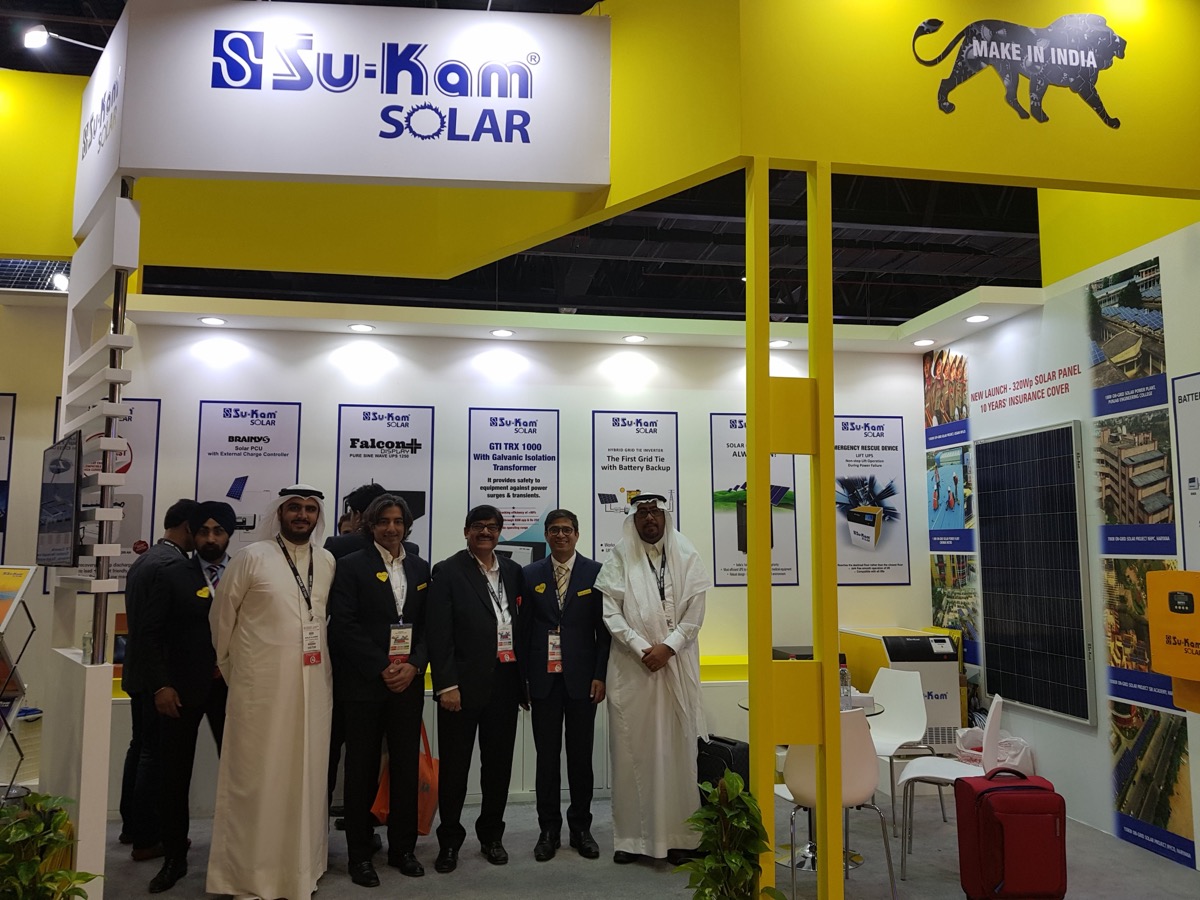
The comeback story teaches one thing: failure isn't the end. Bankruptcy isn't the end. What matters is whether your spirit to innovate, to serve, to solve real problems, survives the fall.
Today: suvastika.com · LinkedIn · Amazon.in · Wikipedia.
10 Export Lessons from 71 Countries
1. Personal presence builds trust. You have to go where others won't — be the founder, not just the company.
2. Solve real problems, not just sell products. CSR isn't marketing; it's how you prove you understand the market.
3. Manufacturing near markets cuts cost & response time. Regional hubs (Nepal, Dubai) multiply your speed and margin.
4. Hybrid systems beat single-source solutions. Solar + grid + battery = reliability in unreliable markets.
5. Government contracts are long-term revenue. Afghanistan's 200-district project meant 10+ years of aftermarket revenue.
6. Awards amplify distributor confidence. "Africa's Most Reliable Brand" is why 12,000 dealers trusted us.
7. Greenfield markets are the biggest opportunity. South America: $1B untapped, no competitors, first-mover wins.
8. Technology + IP = defensibility. 10 patents are a moat against Chinese and European competitors.
9. Failure is a pivot, not an ending. Su-Kam bankruptcy became Su-Vastika STAR EXPORT HOUSE in two years.
10. Spirit trumps obstacles. Mugged in Nigeria? Go back. Build. Expand to 71 countries.
Three Lessons from the Road
Beyond the country-by-country journey, three patterns from real shipments — the certifications, buyers, and clauses that quietly turn a winning order into a stranded one.
The SONCAP shock — Nigeria. A confirmed order, a clean invoice, a container at Lagos port — and a missing SONCAP certificate. Four weeks of demurrage, an angry buyer, and a lesson that pre-shipment certification isn't optional. The Engine flags this before you ship — not after.
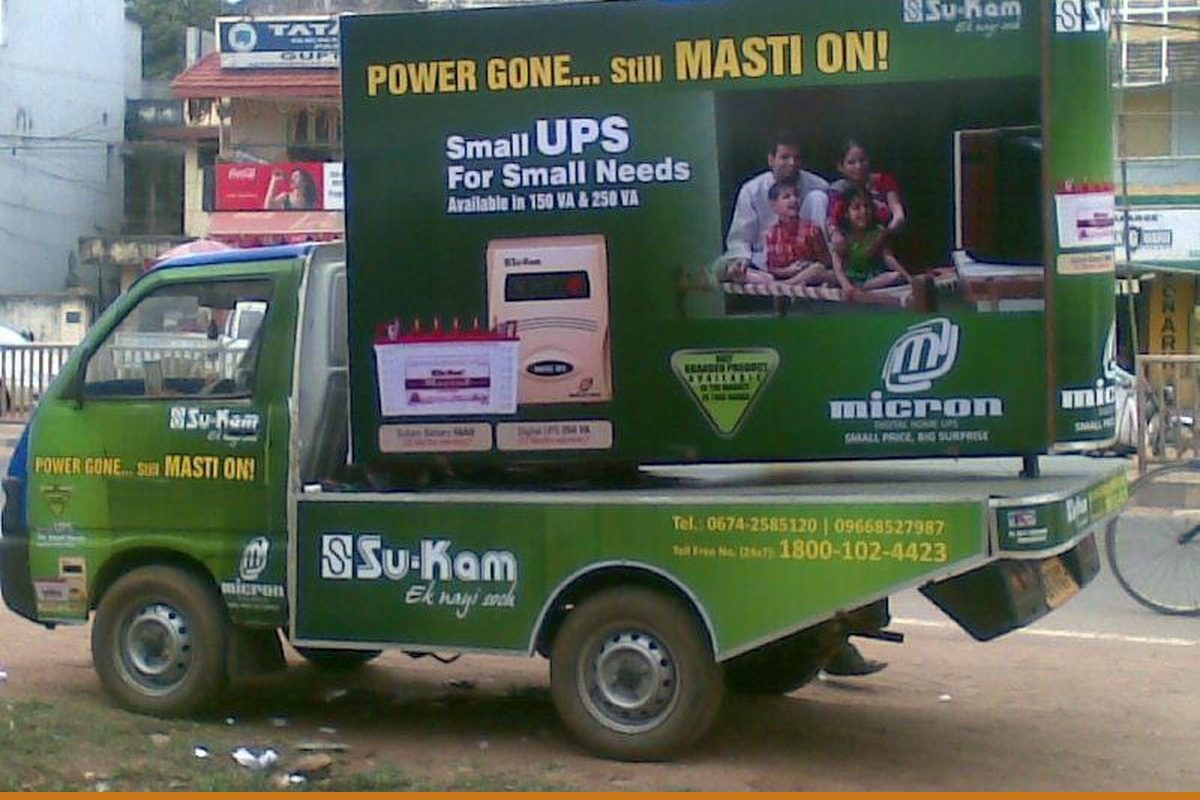
The "test the market first" trap. A buyer requests a free sample shipment of 200 units and promises a 10,000-unit follow-on if "the market responds well." The market never responds. The samples vanish. The buyer-qualification engine knows this pattern and downscores the lead before you waste a shipment.
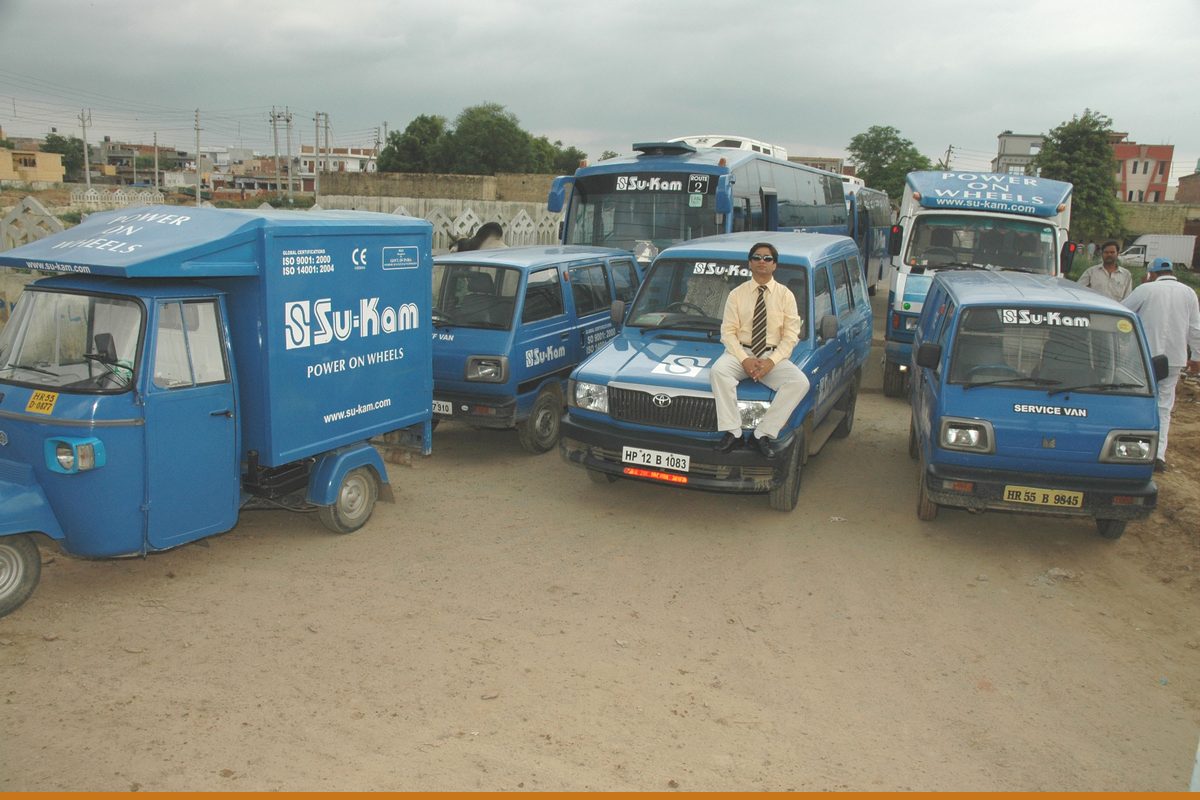
The letter-of-credit clause that didn't pay. An L/C with one mismatched word — "destination" instead of "discharge port" — that the issuing bank used to refuse payment. Months of negotiation, a haircut on the invoice. The Engine cross-checks L/C language against your shipping documents before submission.